
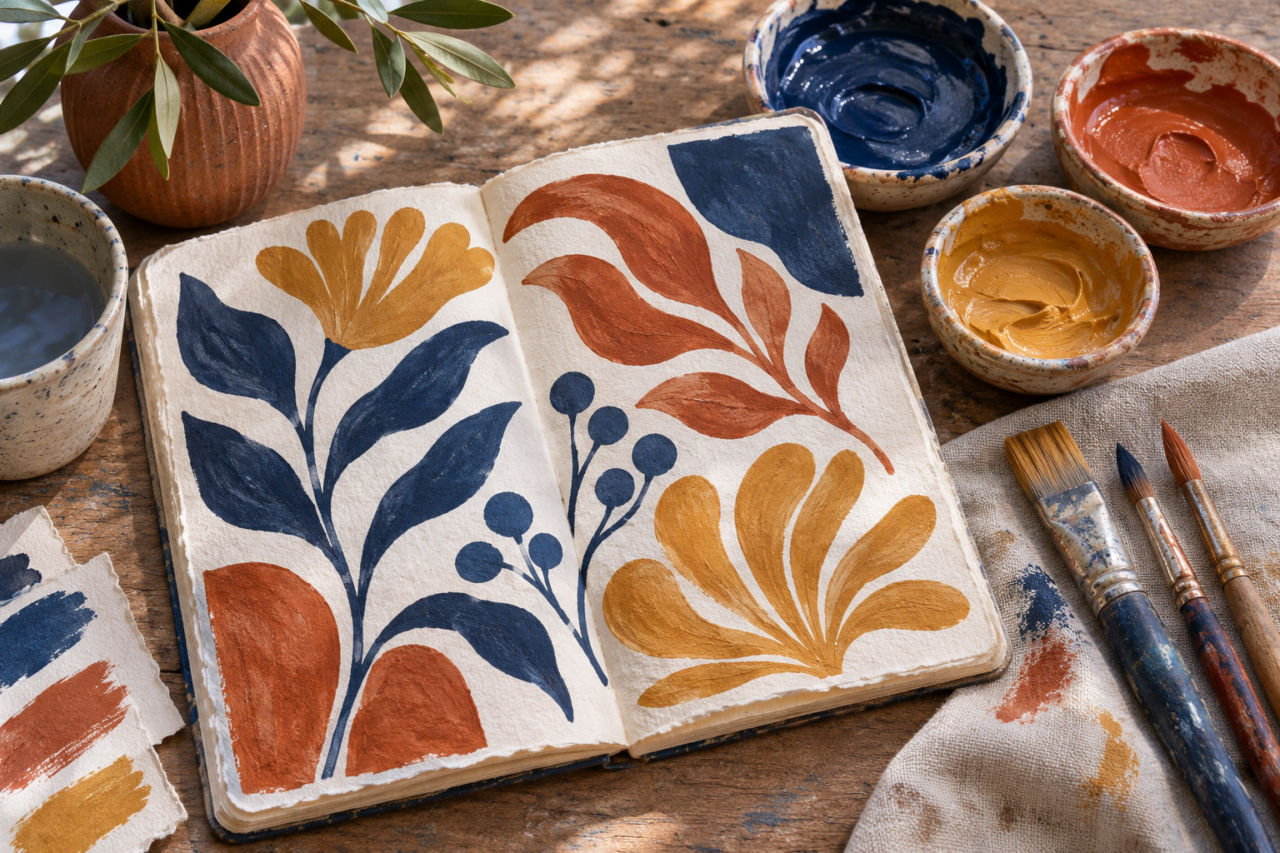
A polished illustration often conceals the decisions that shaped it. Keeping an early rough drawing beside the final version makes those choices easier to examine. The pair can tell a more useful story than either image alone.
Select a rough that shows a meaningful stage rather than simply the least tidy page. Perhaps it contains a different arrangement, a stronger gesture or an idea that was later reduced. Explain the role it played in a few plain sentences.
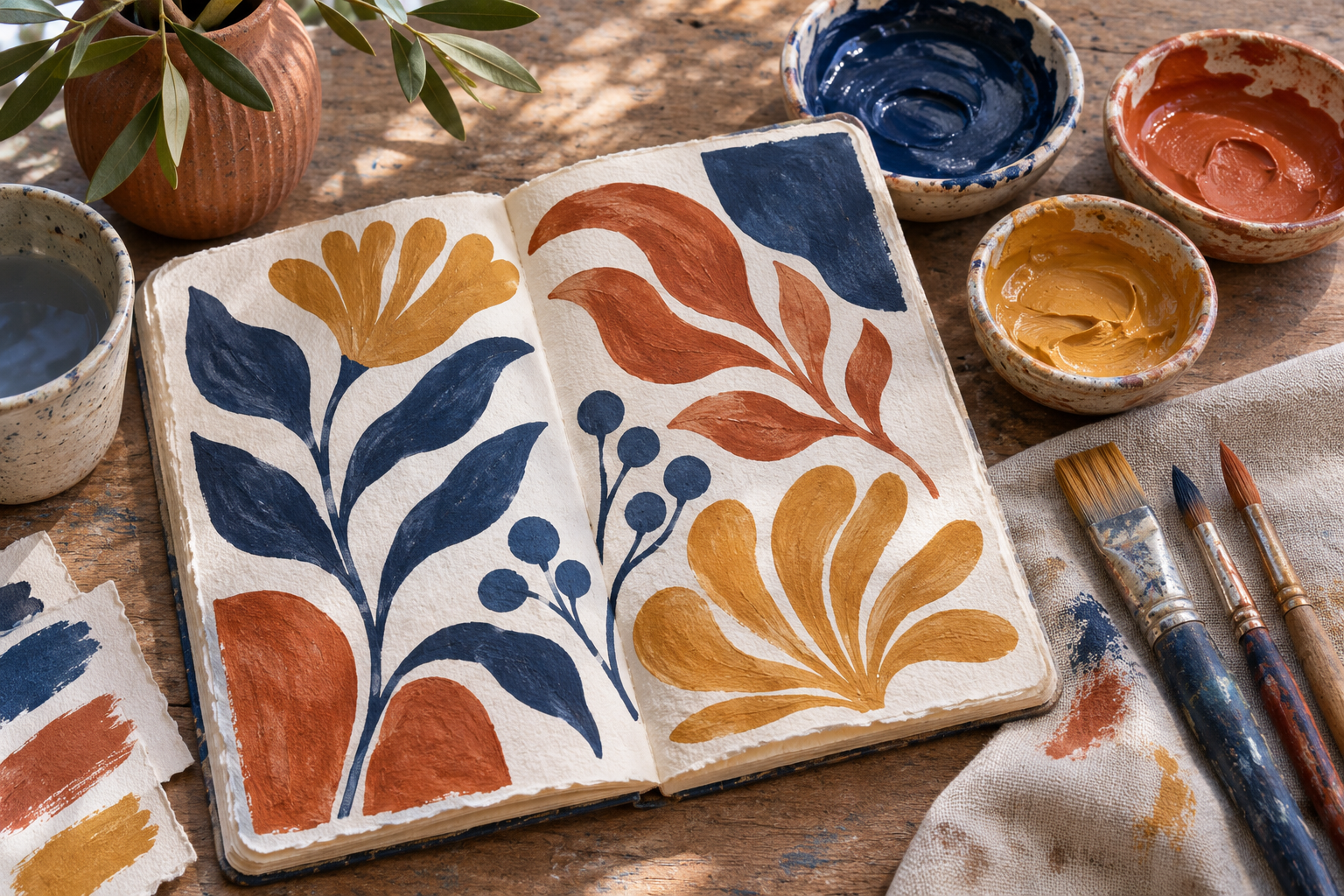
Compare the versions with a specific question. Did simplification improve the focal point? Did a quieter background help the main shape? Keeping the question narrow prevents the review from becoming a vague judgement of which image looks nicer.
Treat the rough as part of the work rather than an embarrassment to hide. It can preserve an energy worth recovering in the next project. A small archive of these comparisons gradually becomes a personal guide to the choices you tend to make.